


Vehicle Armoring Process and Materials Used
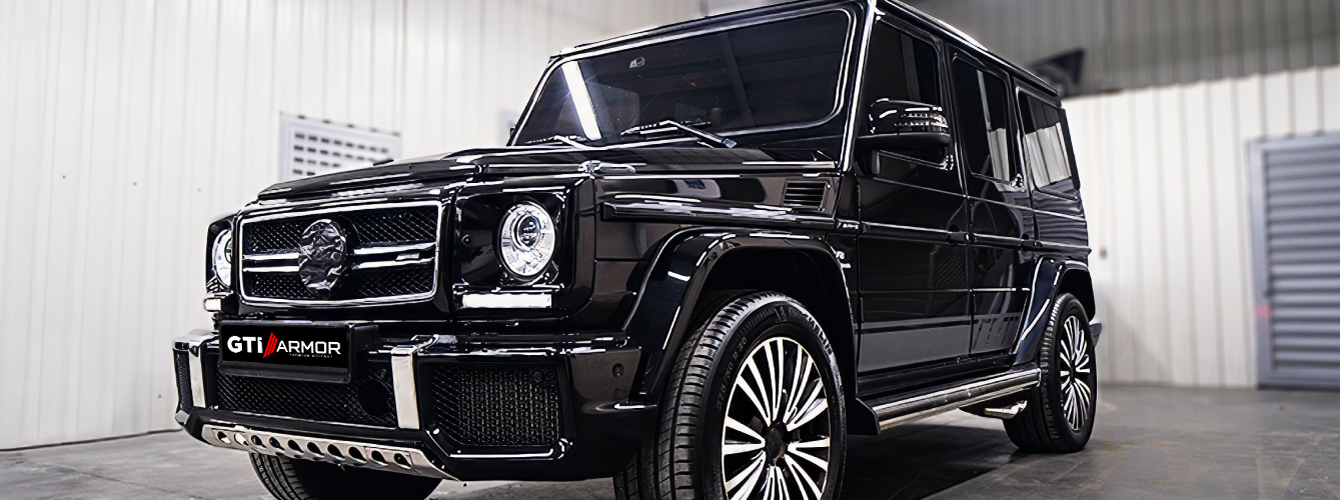
Vehicle armoring is a comprehensive process that requires specific planning and implementation in line with security needs. Many factors must be taken into consideration, such as what threats the vehicle will be protected against, what type of armor to use and which areas to reinforce. Each armoring process is customized depending on the security level and expectations of the user.
The armoring process usually begins with the complete dismantling of the vehicle's interior. At this stage, the factory parts of the vehicle are removed to create a suitable area for the placement of armor materials. Then, critical points such as the doors, roof, floor, engine area and fuel tank are covered with high-strength ballistic steel or composite panels. Weight balance is of great importance during the armoring process, as the added materials can directly affect the performance of the vehicle. For this reason, modern armoring systems are manufactured with materials that are as light and durable as possible.
One of the most important armor materials used in vehicles is ballistic steel. This material offers high resistance to bullets and physical impacts. However, in some cases, kevlar and other composite materials are preferred because of the high weight of steel. Kevlar, besides being flexible and lightweight, provides extra protection to the vehicle's occupants by absorbing bullet impacts. Ceramic-based armor panels are also commonly used in modern armoring processes. These panels are lighter than steel and offer particularly effective protection against high-velocity projectiles and explosives.
Bullet-proof glasses are used for glass protection. These glasses are made of special materials consisting of multiple layers and prevent bullets from penetrating. Much thicker than normal glass, they are also highly resistant to impacts and explosives. The thickness of bulletproof glass and the level of ballistic protection are determined according to the customer's needs.


What are the Most Common Raw Materials Used in Armoring?
- Steel Alloys: The ARMOX series produced by SSAB is an armor steel series that provides high strength, toughness and ballistic resistance. MIL-A-46100 and MIL-A-12560: Armor steels produced in accordance with the standards set by the United States Department of Defense.
- Ceramic Armor: High-strength fibers such as aramid (such as Kevlar or Twaron) or polyethylene can create effective armor by absorbing ballistic energy. Often, composite armor panels are combined with ceramic plates.
- Composite Armor: Aramid (Kevlar veya Twaron gibi) veya polietilen gibi yüksek mukavemetli lifler, balistik enerjiyi absorbe ederek etkili bir zırh oluşturabilir. Çoğu zaman, kompozit zırh panelleri seramik plakalar ile birleştirilir.
- Nano Armor Materials: Nanotechnology has led to several innovations in armor materials. Nano-sized materials are known for their excellent combination of strength and light weight.
- Diamond-Like Carbon (DLC): DLC is a material composed of carbon atoms and has diamond-like properties. Such coatings can be used to increase surface durability and improve scratch resistance.