


The Top 10 Essential Features to Look for in an Armored Civilian Vehicle
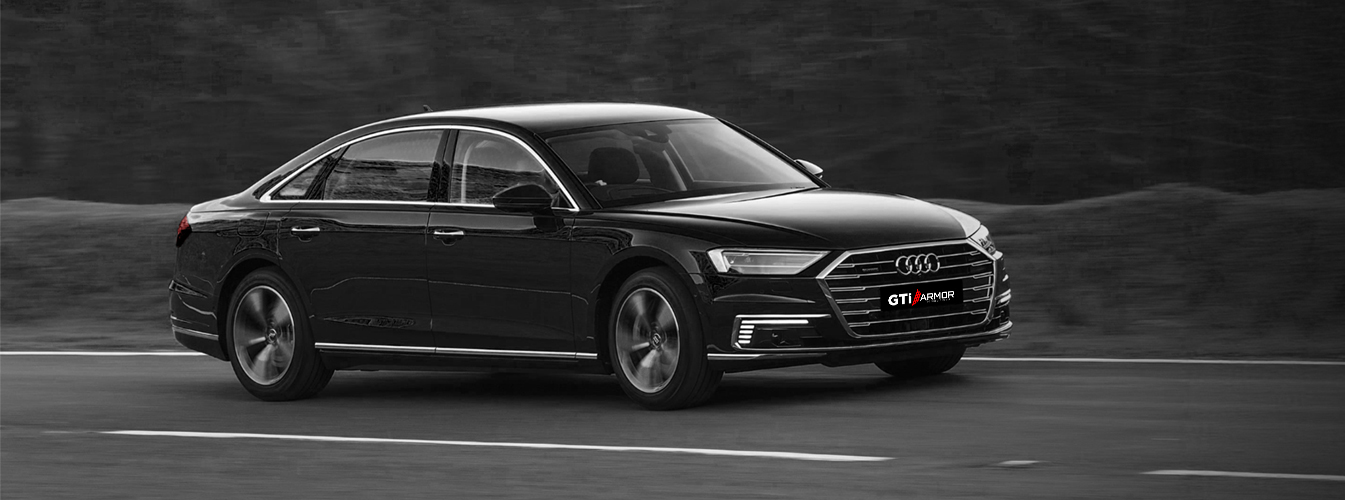
Nowadays, personal security has become more important than ever. Especially armored vehicles suitable for civilian use must have many critical features to minimize risks and provide high protection. An armored vehicle is not just a thick steel layer; it gains meaning with the perfect balance of security, comfort, and performance. So, what are the most important features to look for in an armored civilian vehicle? Here are the top 10 features you should pay attention to.
1. Ballistic Glass
One of the most critical parts of an armored vehicle is undoubtedly the ballistic glass. Much thicker and more durable than standard glass, ballistic glass provides protection against bullets and blast effects. These glasses, especially designed in multiple layers, absorb impact and guarantee the safety of those inside the vehicle. The thickness and durability of ballistic glass vary depending on the threat level your vehicle is armored against.
2. 360-Degree Ballistic Body Protection
An armored vehicle must be protected not only from the front or sides but entirely. This is where 360-degree ballistic body protection comes into play, creating a complete shield against threats coming from all directions. The body, made from specially reinforced steel or composite materials, resists high-powered firearms and explosives. This feature is vital for civilian users since threats can come from any direction.
3. Reinforced Suspension System
One of the biggest disadvantages of armored vehicles is the increased weight due to extra armor. This weight can negatively affect the vehicle's handling and driving comfort. However, thanks to the reinforced suspension system, the vehicle's handling and driving dynamics are optimized. Improvements in the suspension system ensure that armored vehicles move more stable and controlled both in urban environments and challenging terrains.
4. Bulletproof Tires
The tires of armored vehicles are specially reinforced. These puncture-resistant tires allow the vehicle to keep moving without bursting even in dangerous situations while on the road.
5. Special Lock and Door Systems
The doors of armored vehicles are much heavier than standard vehicle doors. Strong hydraulic systems and special locking mechanisms ensure that doors open and close quickly and securely.
6. Fire and Explosion Prevention Systems
Fire suppression systems that activate in case of an attack or accident minimize the risk of fire inside the cabin and enhance passenger safety.
7. Reinforced Engine and Brake System
Since weight increases in armored vehicles, the engine and brake systems must also be reinforced to handle this extra load. This ensures the vehicle’s performance and braking safety.
8. Hidden Cameras and Communication Systems
High-security armored vehicles are equipped with cameras that monitor the surroundings 360 degrees. At the same time, emergency communication systems keep passengers connected to the outside world at all times.
9. Interior Comfort and Safety
Although armor and security features add weight, passenger comfort inside the vehicle remains a priority. Special sound insulation, climate control systems, and ergonomic seats are evaluated in this regard.
10. Certified Testing and Standards
One of the most important criteria showing that an armored vehicle provides real protection is independent testing and certifications. Compliance with international standards such as NIJ (National Institute of Justice) guarantees the vehicle’s reliability.
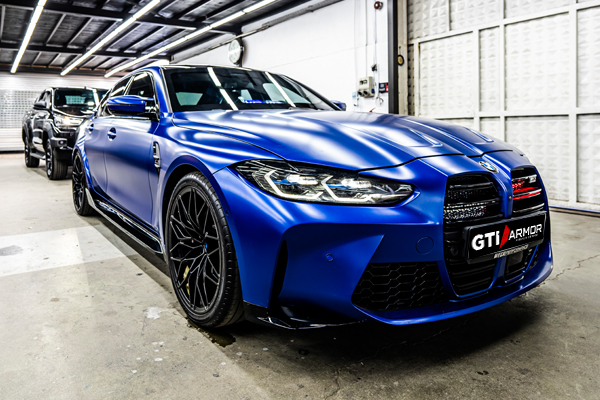
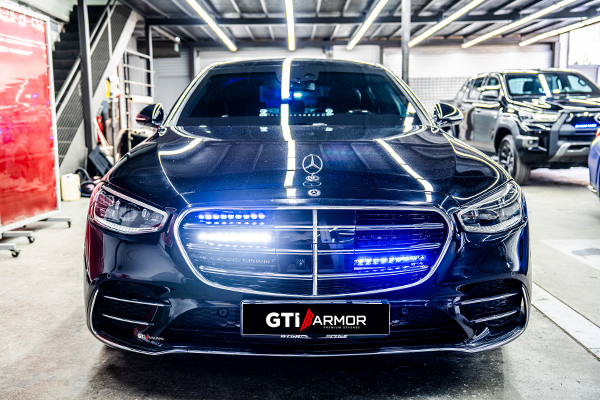
When buying or renting an armored civilian vehicle, it is not enough to look only at the "armor" layer. The features we mentioned above like ballistic glass, 360-degree ballistic body, reinforced suspension must be evaluated together. This way, both security and driving performance are optimized. Remember, the right armoring saves lives!